Most Care Givers have TeleHealth Services in Place
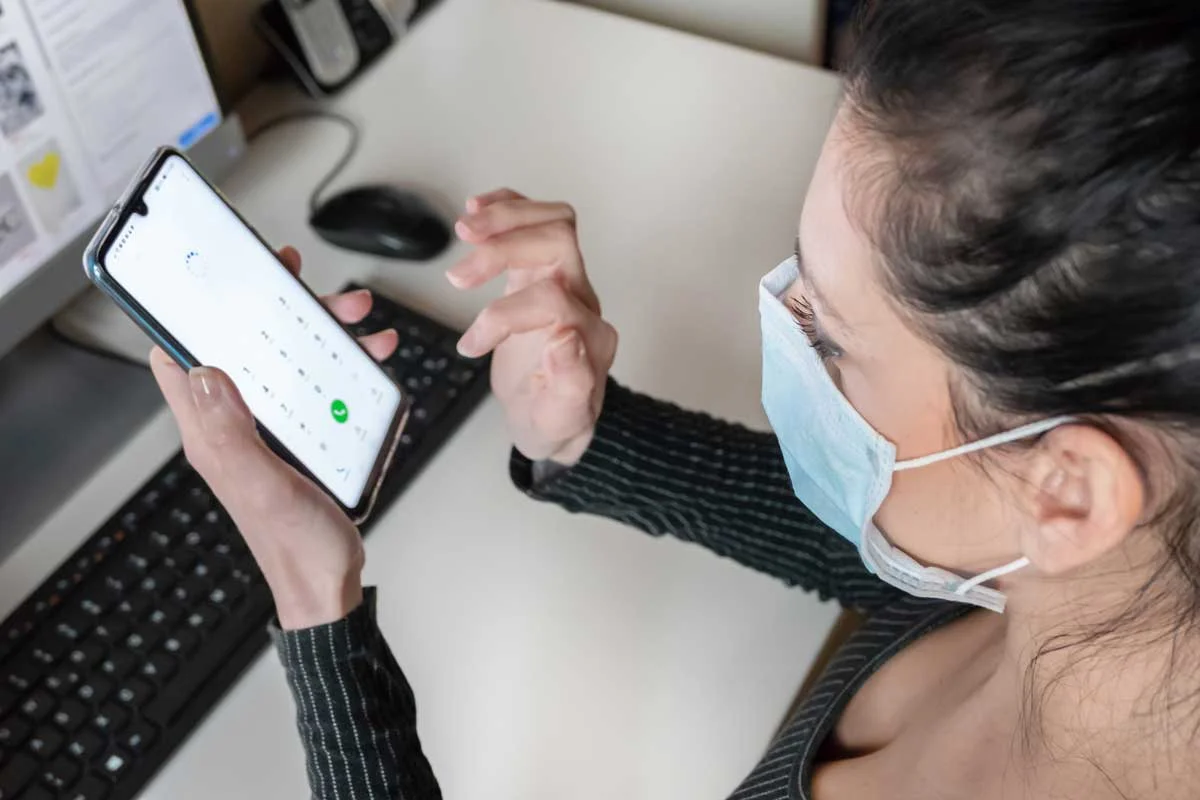
Around the world, governments are ordering people to stay home and to practice social distancing if a trip outside is necessary. The unprecedented spread of COVID-19 has us all rightfully cautious. From malls to medical centers, virtually any place where people gather has temporarily closed their doors as we weather this storm. However, many people depend heavily on urgent medical services and cannot afford to miss critical appointments. Luckily, most centers have existing
telehealth protocols in place so they can continue essential treatment from a distance.
 The prefix “tele” came from the Greek word meaning “far off” or “at a distance.” The term entered modern usage with inventions such as the television and the telephone. Thanks to advances in other technology areas, medical organizations have increasingly relied on telehealth and telemedicine to deliver a wide range of healthcare services.
When providers can’t meet in-person with the populations they serve, telehealth options are an incredibly powerful alternative. One of the most vital services telehealth offers is real-time counseling from a distance for those going through addiction recovery treatment. Thanks to telehealth, location simply isn’t a problem anymore.
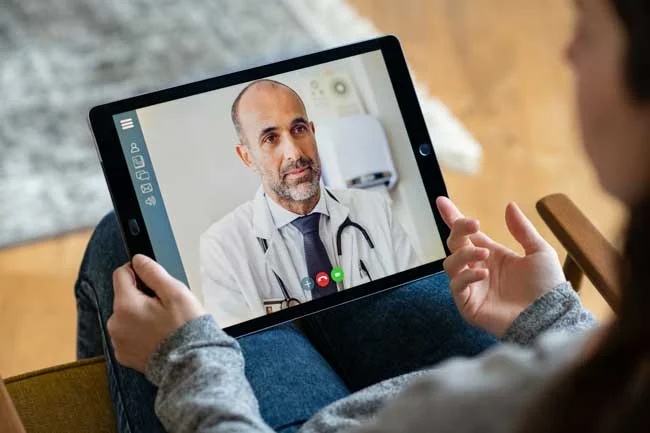
Telehealth connects individuals through secure face-to-face interactions using a computer, tablet, or smartphone. Everything is done online, using web-based software that is easy to use. In some cases, it is as simple as downloading a mobile app or clicking on a link that the provider emails, then following the on-screen instructions to test the computer’s webcam and microphone. Most modern laptops come with both built-in, but webcams with mics are inexpensive and simple to order online if needed.
 The very nature of addiction creates an urgency when managing treatment. Trying to fight it alone, however, is never a good idea. That is why having uninterrupted access to providers is a major factor when it comes to helping users who struggle with substance abuse issues. Those struggling also feel less anxiety and a greater sense of peace and security knowing they can continue their routine and reach out for immediate assistance during a crisis. In fact, telehealth increases accessibility and accountability by removing any “excuses” for not meeting providers.
Help isn’t limited to sessions, though. Telehealth enables all parties to easily track progress and exchange healthcare-related information. Opening an online conversation isn’t always necessary to receive immediate advice or assistance. There are even apps that can be used to monitor and track data, such as sleeping habits, diet information, and even diagnostics. With telehealth, help is literally at one’s fingertips, offering solutions for those who cannot wait and need ongoing responsive attention.
Telehealth options are designed to supplement, not replace, traditional therapy and residential treatment. They offer timely and effective alternatives, especially when life throws us a curveball. We’ve created so many digital solutions for nearly every aspect of our daily lives, it makes sense to incorporate technology during the most important times. By supporting the treatment and recovery process, mobile telehealth technology keeps people in touch with treatment professionals who can ease suffering no matter where they’re at.
If you or someone you care about, has an ongoing history of alcohol or substance use and/or relapse, contact Gulf Breeze Recovery or call: 833.551.2356 to speak to an addiction expert to learn more about their residential program, out-patient program, and intensive out-patient program, and which of these can best fit your individual needs. These programs have helped many people overcome their addiction and embrace their new happy, healthy, substance-free lifestyle.
We help people not just to survive, but to THRIVE!