
Researchers Identify Role of Key Brain Signaling Protein in Alcohol Use Disorder
January 29, 2021
Contact us to learn more about Gulf Breeze Recovery!
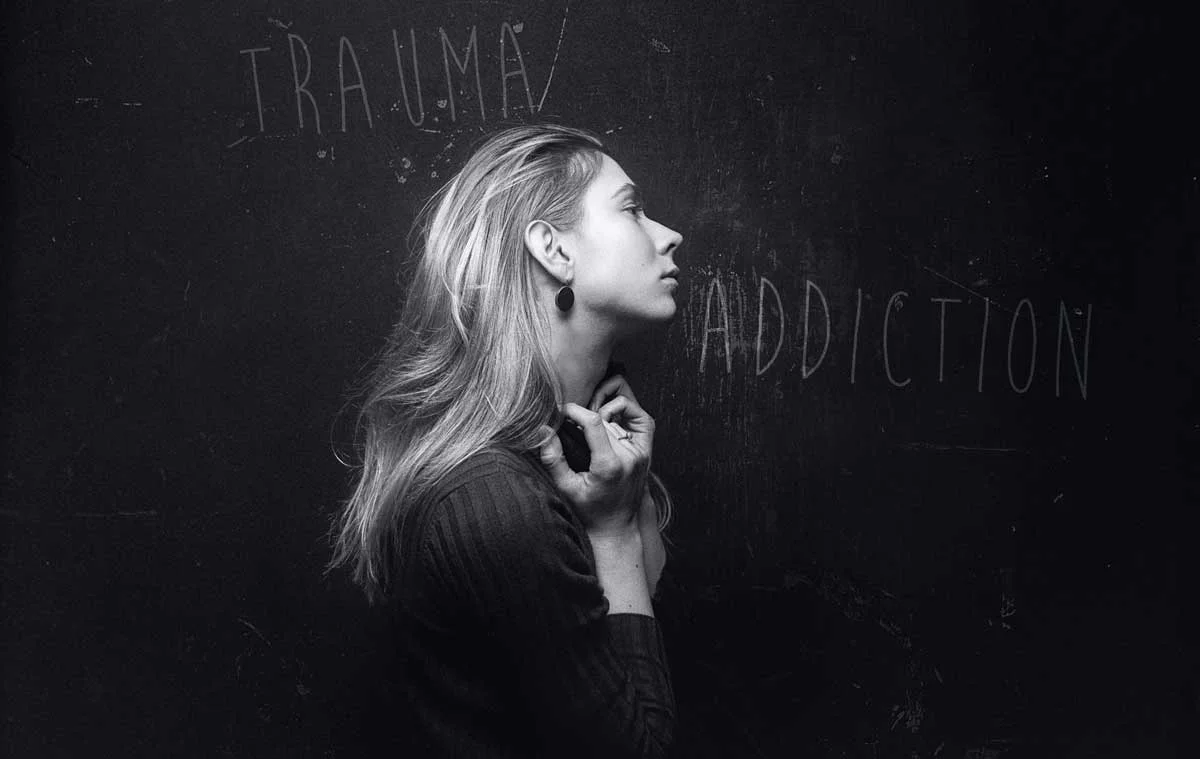
The impacts of trauma during childhood often linger on into adulthood and can lead to the development of psychological problems and/or addictions. Indeed, research has established such a firm link between childhood trauma and substance abuse that some treatment facilities now offer concurrent treatment of addiction and any underlying trauma.
 Trauma can take many forms and its impacts vary widely. What may prove traumatic for one child may not necessarily be so by another. Not only can a child directly experience a potentially traumatic event, but even just witnessing potential trauma being experienced by others can prove distressing. The wide range of childhood trauma-inducing events includes:
 Childhood trauma’s role in adult addiction appears to be multifaceted. Some research suggests that trauma can have a negative effect on brain development by impairing its cognitive, behavioral, and social structuring. Visible on neurological scans, these disruptions may make childhood trauma victims more susceptible to substance abuse disorders. Other research focuses on how childhood trauma can limit one’s ability to learn how to manage stress, which in turn can help feed the potential to self-medicate through alcohol and/or drugs to manage stress.
Such self-medicating behavior is learned by many whose trauma was caused by loved ones who themselves were abusing alcohol and/or drugs. Perhaps equally common, childhood trauma’s influence on substance abuse can lead to a vicious cycle, with substance abuse—especially during adolescence—often leading to additional traumatic incidents.
Given childhood trauma’s apparent oversize role in many addictions and substance abuse problems, Gulf Breeze Recovery has created a separate “track” in their addiction program called “traumacare,” which is dedicated to helping those suffering with trauma and addiction. This track places the underlying cause (trauma) at the forefront in a discrete manner to help people move beyond and experience happiness and fulfillment in recovery.
Sources:
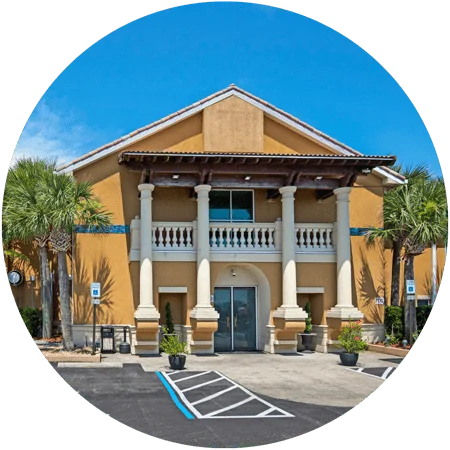
Gulf Breeze Recovery, unlike other treatment centers in Florida, is a non 12 step holistic drug and alcohol rehab that is changing the future of addiction treatment with their THRIVE® (Total Health Recovery) program focused on overcoming chronic relapse.
Gulf Breeze Recovery’s THRIVE® program is a non 12-step approach designed for those who are looking for a drug and alcohol treatment program to produce a different and positive result.
This non-12 step program allows you to drive beyond your addictions and promotes a new outlook on life.
We are licensed by the Florida Department of Children and Families, and our last audit scored 99.7! Also, we are gold certified by the Joint Commission.
Want to read more about Gulf Breeze Recovery’s non 12 step, holistic drug and alcohol rehab? Check out some of our latest posts:
January 29, 2021
January 29, 2021
January 27, 2021
January 20, 2021
At Gulf Breeze Recovery we don’t want you to have just a great recovery, we want you to have a great life!
The impacts of trauma during childhood often linger on into adulthood and can lead to the development of psychological problems and/or addictions. Indeed, research has established such a firm link between childhood trauma and substance abuse that some treatment facilities now offer concurrent treatment of addiction and any underlying trauma.
Trauma can take many forms and its impacts vary widely. What may prove traumatic for one child may not necessarily be so by another. Not only can a child directly experience a potentially traumatic event, but even just witnessing potential trauma being experienced by others can prove distressing. The wide range of childhood trauma-inducing events includes:
Childhood trauma’s role in adult addiction appears to be multifaceted. Some research suggests that trauma can have a negative effect on brain development by impairing its cognitive, behavioral, and social structuring. Visible on neurological scans, these disruptions may make childhood trauma victims more susceptible to substance abuse disorders. Other research focuses on how childhood trauma can limit one’s ability to learn how to manage stress, which in turn can help feed the potential to self-medicate through alcohol and/or drugs to manage stress.
Such self-medicating behavior is learned by many whose trauma was caused by loved ones who themselves were abusing alcohol and/or drugs. Perhaps equally common, childhood trauma’s influence on substance abuse can lead to a vicious cycle, with substance abuse—especially during adolescence—often leading to additional traumatic incidents.
Given childhood trauma’s apparent oversize role in many addictions and substance abuse problems, Gulf Breeze Recovery has created a separate “track” in their addiction program called “traumacare,” which is dedicated to helping those suffering with trauma and addiction. This track places the underlying cause (trauma) at the forefront in a discrete manner to help people move beyond and experience happiness and fulfillment in recovery.
Sources:
Gulf Breeze Recovery, unlike other treatment centers in Florida, is a non 12 step holistic drug and alcohol rehab that is changing the future of addiction treatment with their THRIVE® (Total Health Recovery) program focused on overcoming chronic relapse.
Gulf Breeze Recovery’s THRIVE® program is a non 12-step approach designed for those who are looking for a drug and alcohol treatment program to produce a different and positive result.
This non-12 step program allows you to drive beyond your addictions and promotes a new outlook on life.
We are licensed by the Florida Department of Children and Families, and our last audit scored 99.7! Also, we are gold certified by the Joint Commission.
Want to read more about Gulf Breeze Recovery’s non 12 step, holistic drug and alcohol rehab? Check out some of our latest posts:
January 29, 2021
January 29, 2021
January 27, 2021
January 20, 2021
At Gulf Breeze Recovery we don’t want you to have just a great recovery, we want you to have a great life!
At Gulf Breeze Recovery, we offer a unique holistic approach to addiction treatment that addresses not only the physical but also the emotional and spiritual aspects of recovery. Our serene and supportive environment provides the ideal setting for healing and growth. With individualized treatment plans and a compassionate team of professionals, we strive to meet each client’s specific needs.
By choosing Gulf Breeze Recovery, you are taking a proactive step toward a healthier, more balanced life. Call us today at 833.551.2356 or use our online content form to begin your recovery journey.
Gulf Breeze Recovery
350 Pensacola Beach Road.
Gulf Breeze, Florida 32561
"*" indicates required fields