
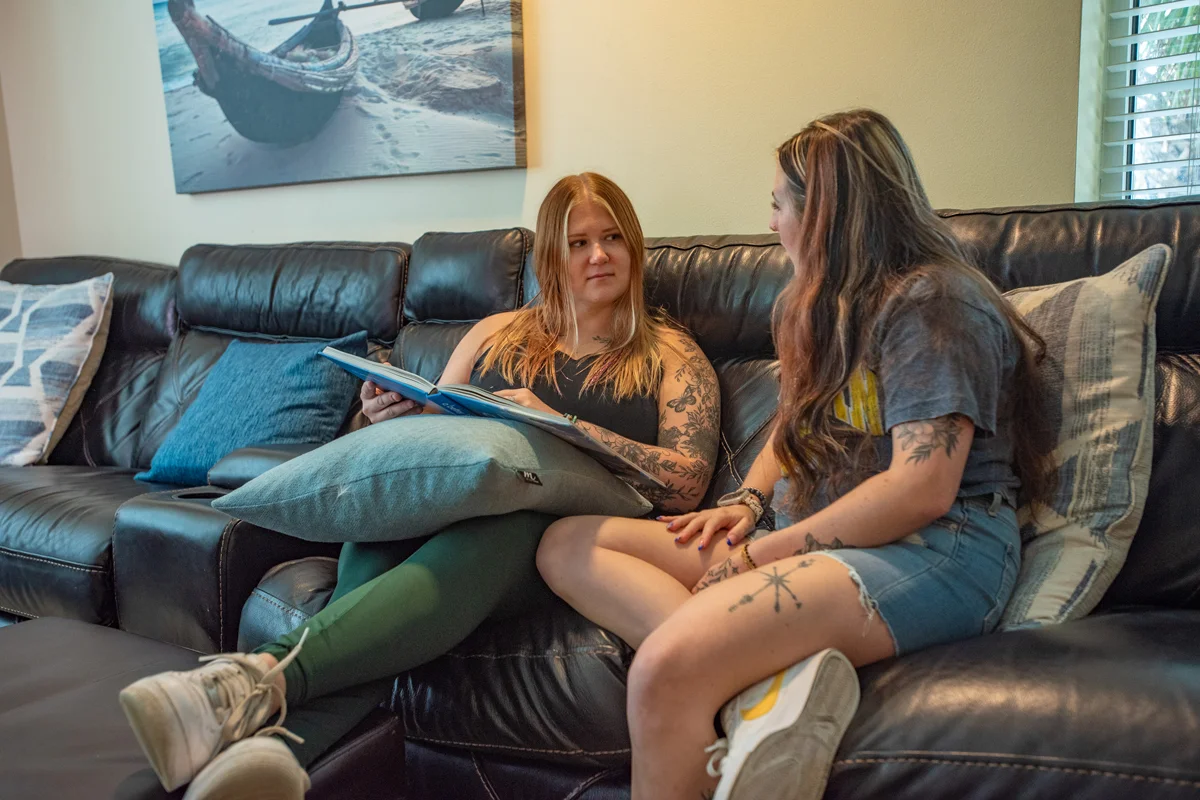
Have you ever felt like group therapy is too open and raw to make progress in treatment? What if there’s an easier way to share with others? Group therapy games are simple, engaging ways that can help you feel safe and connected with peers while building coping skills.
This blog will help you get a better idea of what to expect during group therapy and even some activities you can suggest to your group therapist. We’ll cover four practical group therapy games that are great for people in addiction treatment, including what the format looks like, so you won’t be surprised when starting a group program.
Why group therapy activities work
Group therapy is very effective for addiction recovery. Addiction creates a lot of isolation, shame, and guilt, with many people feeling like they don’t deserve help or that nobody will understand them. Engaging in group therapy can give you a chance to break out of the isolation and recognize that there are others who have similar stories—who deserve hope and support just as much as you. Plus, group therapy can be used in IOP, residential, and other settings, making it very adaptable.
Activities and games in group therapy make engaging in the process easier. Going around in a circle sharing experiences can be valuable, but it can also limit some people from participating. Group therapy games help break down the barriers, so participants feel more open to being vulnerable. They also build trust and improve interpersonal skills that took a hit during active addiction.
How to choose the right group therapy game
Choosing the right group therapy technique is key to good engagement. When selecting an activity, consider how many sessions the group has had together, the goal of the session, how big the group is, how much time you have, and the clinical risks involved with those participating.
It’s also important to give an opt-out option for participants who aren’t comfortable with the format. You can always plan a backup activity that more people feel safer in.
4 group therapy activities for adults
1. Anything you can do
- Goal: Build self-esteem, reinforce strengths, and help participants recognize personal capabilities.
- Time: 20–30 minutes
- Materials: Paper and pens or markers
Ask each participant to think about a personal strength, skill, or accomplishment they’re proud of—big or small. Participants write it down and, if comfortable, briefly share with the group. After each share, group members are invited to reflect back on the strengths they hear or notice, focusing on effort, resilience, or growth rather than outcomes.
Discussion prompts:
- What strengths helped you through challenging moments?
- How do these strengths show up in your recovery or daily life?
- Which strengths would you like to rely on more moving forward?
2. Goal-setting & motivation mapping
- Goal: Support clarity, motivation, and follow-through by connecting values to recovery goals.
- Time: 25–35 minutes
- Materials: Paper and pens or colored markers
Participants identify one short-term, one mid-term, and one longer-term goal related to recovery or personal growth. Encourage them to reflect on why each goal matters and what support or skills are needed to move toward it. Sharing is optional; participants may discuss goals in pairs, with the group, or keep them private.
Discussion prompts:
- What makes this goal meaningful to you right now?
- What challenges might get in the way, and what could help?
- How can the group support accountability without pressure?
3. Trust-building without forced disclosure
- Goal: Strengthen trust, communication, and group cohesion without requiring personal disclosure.
- Time: 20–30 minutes
- Materials: None
Pair participants and give each pair a simple, neutral task (for example, guiding a partner through a basic drawing or problem-solving exercise using only verbal instructions). Partners switch roles halfway through. Emphasize clear communication and listening rather than performance.
Discussion prompts:
- What helped you feel more comfortable during the activity?
- How did it feel to give or receive guidance?
- How does trust show up in group and recovery settings?
4. Self-compassion pause
- Goal: Reduce shame, encourage self-kindness, and build emotional regulation skills.
- Time: 15–25 minutes
- Materials: Paper and pens (optional)
Invite participants to pause and reflect on a recent difficult moment. Ask them to consider how they would respond to a friend in the same situation, then write or think through a compassionate response for themselves. Sharing is optional, and participants may simply reflect silently.
Discussion prompts:
- What did you notice when shifting to a compassionate perspective?
- How does self-compassion affect motivation and recovery?
- What makes self-kindness difficult, and what makes it helpful?
Trust-building group therapy activities
Trust can be hard to build in recovery settings. Participants may be cautious or ashamed about sharing, or even unsure how much of themselves is safe to reveal. Some activities help groups build respect, set boundaries, and develop clear expectations. Trust-building can be one of the most important benefits of group therapy for addiction, since so many personal relationships are affected during active use.
The trust-building activity above focuses on communication and guidance without requiring personal disclosure. For groups that are newer or not ready for more immersive exercises, lighter alternatives can help build safety gradually while still reinforcing connection.
Lighter trust-building options include:
- Paired listening exercises, where one person speaks for a set time while the other listens without interrupting
- Shared problem-solving tasks, such as working through a neutral scenario together
- Values or strengths reflections, where participants identify qualities they appreciate in group interactions, rather than personal history
More discussion prompts:
- What helped you feel comfortable participating today?
- When did communication feel clear or unclear?
- How did the group handle differences or uncertainty?
- What behaviors help build trust in this group?
Goal-setting and motivation activities for recovery groups
Goal-setting games shift groups from intentions into practical, achievable steps. Goals are most effective when they reflect personal values and are paired with realistic plans. Rather than focusing only on outcomes, recovery-friendly goal work emphasizes process—how individuals stay engaged, respond to setbacks, and use support.
A structured approach often moves through four stages: values, goals, barriers, and supports. Participants first identify what matters most to them in recovery, such as stability, health, relationships, or personal growth. From there, they define goals that align with those values and explore potential barriers, including stress, triggers, or high-risk situations. Finally, the group helps identify supports and coping strategies that make progress more sustainable.
Relapse prevention prompts:
- What situations or emotions make this goal harder to maintain?
- What early warning signs might signal increased risk?
- What coping skills or grounding strategies could help in those moments?
- Who can offer accountability or encouragement when motivation dips?
Tracking goals between sessions may include brief weekly check-ins, written reflections, or noting small wins rather than focusing only on outcomes.
Self-esteem and strengths-based activities
Strengths-based activities help rebuild self-esteem that was impacted by addiction. They highlight skills, values, and personal qualities that already exist and are valuable for recovery.
Building on activities like “Anything You Can Do,” groups can explore strengths such as persistence, honesty, creativity, patience, or problem-solving. Participants may identify strengths in themselves, reflect on strengths they’ve used during difficult moments, or receive affirming feedback from peers. Sharing remains optional, and listening counts as participation.
Prompts that turn insight into action:
- How has this strength helped you cope in the past?
- Where might this strength be useful this week?
- How can this strength support sobriety or mental wellness right now?
Mindfulness and self-compassion activities
Slowing down helps recovery by regulating emotions and allowing for better self-talk. In group therapy, these activities are most effective when they can build skills for grounding and reflection rather than trying to get people to do deep emotional work.
Safer self-compassion options may include writing a brief self-compassion letter using supportive language, naming a current feeling and pairing it with a reassuring phrase, or engaging in a short breathing or sensory grounding exercise. These practices help participants build awareness without requiring detailed disclosure of regrets or past experiences.
Sharing during these activities should always be optional. Silent reflection in a group setting followed by discussion can still be valuable, especially if the discussion is about how to make more space and time for mindfulness outside of therapy.
Group therapy at Gulf Breeze Recovery
Experience the transformative power of group therapy at Gulf Breeze Recovery Center in Florida. Our group therapy services provide a supportive and nurturing environment where guests can connect, share experiences, and find solace in the understanding and empathy of others, fostering personal growth and lasting recovery.
Speak with the admissions team today to find a new way forward.
Clinical Reviewer

Lantie Jorandby
CEO
MD

Dr. Lantie Elisabeth Jorandby has dedicated her professional life to treating patients for mental illness and addiction. She’s a… read more