
News-Related Blog on Kratom for Gulf Breeze Recovery
Researchers Identify Role of Key Brain Signaling Protein in Alcohol Use Disorder
January 29, 2021
Contact us to learn more about Gulf Breeze Recovery!
News-Related Blog on Kratom for Gulf Breeze Recovery
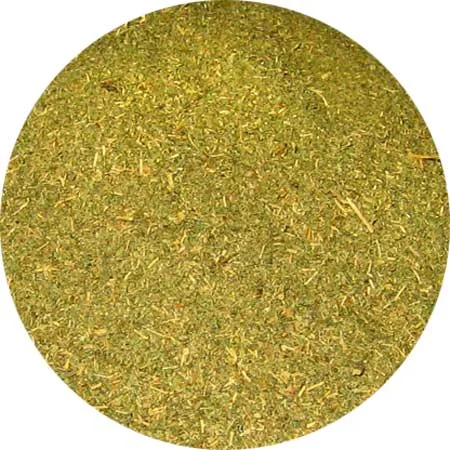 Substance abuse researchers have long looked for a magic pill that can easily cure people’s addictions to alcohol and/or drugs, but finding such an elixir has proven elusive at best. This now appears to be the case with the herbal supplement kratom, as research released this month further suggests that possible negative impacts—including its own addictive properties—overshadow its potential benefit as an opiate addiction cure.
Derived from a southeast Asian evergreen tree, and used as a traditional medicine in that region since the 1800s, kratom’s popularity in North America has grown considerably over the past decade. Currently treated as a “supplement” by the FDA, kratom supporters claim that it helps manage chronic pain, boosts energy levels, and eases opioid and alcohol withdrawal symptoms. Perhaps due to its opioid properties, kratom is also gaining popularity for recreational purposes, and an estimated three million Americans use the supplement, which can be purchased online, and in health food stores, smoke shops, and some convenience stores.
The FDA has been investigating kratom as “a drug of concern,” while the U.S. Drug Enforcement Administration (DEA) cited it for having a “high potential for abuse,” with no accepted medical use. In 2016 the DEA announced plans to include kratom as a controlled substance, putting it in the same Schedule I category as heroin. However, the administration backed down in the face of opposition from more than 60 members of Congress, and perhaps a nudge from the White House. Five states, though, have passed legislation prohibiting the use and sale of kratom.
Supporters dispute findings that suggest Kratom is addictive with toxic side effects.
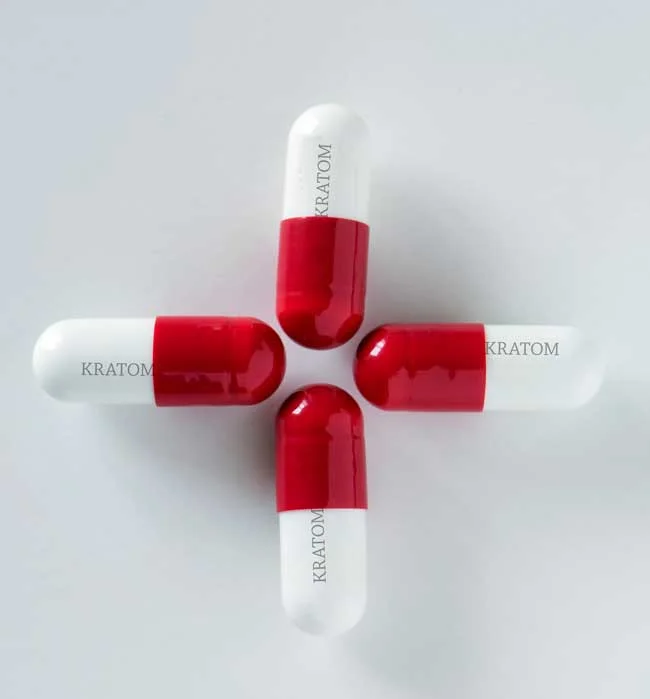 Kratom medical research is limited, and kratom supporters dispute existing research findings on kratom overdose death numbers, liver toxicity, addictive properties, and possible respiratory suppression. And now the supplement’s supporters and opponents will have two more research findings to consider.
A study conducted by Purdue University, Washington University, and Memorial Sloan-Kettering determined that kratom could be an effective treatment to reduce alcohol consumption in those with alcohol use disorder (AUD). However, the researchers determined that side effects, including kratom addiction, rendered the treatment unsafe. In conclusion the researchers determined that support for further medicinal AUD therapies should be given to substances that do not “produce such obvious side effects.”
A federally funded study into drug-induced liver injury by the Albert Einstein Healthcare Network determined that of 404 cases of liver damage linked to dietary supplements, seven of them could conclusively be connected to kratom. Lead researcher Dr. Victor Navarro called the results a “bellwether,” when he released the findings November 10, during the annual meeting of the American Association for the Study of Liver Diseases. “Not only are we seeing increased use of kratom and adverse events associated with it, but liver injury,” he said.
While more research is needed to better determine the risk-benefit profile of using Kratom as an addiction therapy, regulators may weigh in first, as there are indications that DEA may again try to add kratom to its list of Schedule I Controlled Substances.
Sources:
News-Related Blog on Kratom for Gulf Breeze Recovery
Substance abuse researchers have long looked for a magic pill that can easily cure people’s addictions to alcohol and/or drugs, but finding such an elixir has proven elusive at best. This now appears to be the case with the herbal supplement kratom, as research released this month further suggests that possible negative impacts—including its own addictive properties—overshadow its potential benefit as an addiction cure.
Derived from a southeast Asian evergreen tree, and used as a traditional medicine in that region since the 1800s, kratom’s popularity in North America has grown considerably over the past decade. Currently treated as a “supplement” by the FDA, kratom supporters claim that it helps manage chronic pain, boosts energy levels, and eases opioid and alcohol withdrawal symptoms. Perhaps due to its opioid properties, kratom is also gaining popularity for recreational purposes, and an estimated three million Americans use the supplement, which can be purchased online, and in health food stores, smoke shops, and some convenience stores.
The FDA has been investigating kratom as “a drug of concern,” while the U.S. Drug Enforcement Administration (DEA) cited it for having a “high potential for abuse,” with no accepted medical use. In 2016 the DEA announced plans to include kratom as a controlled substance, putting it in the same Schedule I category as heroin. However, the administration backed down in the face of opposition from more than 60 members of Congress, and perhaps a nudge from the White House. Five states, though, have passed legislation prohibiting the use and sale of kratom.
Supporters dispute findings that suggest Kratom is addictive with toxic side effects.
Kratom medical research is limited, and kratom supporters dispute existing research findings on kratom overdose death numbers, liver toxicity, addictive properties, and possible respiratory suppression. And now the supplement’s supporters and opponents will have two more research findings to consider.
A study conducted by Purdue University, Washington University, and Memorial Sloan-Kettering determined that kratom could be an effective treatment to reduce alcohol consumption in those with alcohol use disorder (AUD). However, the researchers determined that side effects, including kratom addiction, rendered the treatment unsafe. In conclusion the researchers determined that support for further medicinal AUD therapies should be given to substances that do not “produce such obvious side effects.”
A federally funded study into drug-induced liver injury by the Albert Einstein Healthcare Network determined that of 404 cases of liver damage linked to dietary supplements, seven of them could conclusively be connected to kratom. Lead researcher Dr. Victor Navarro called the results a “bellwether,” when he released the findings November 10, during the annual meeting of the American Association for the Study of Liver Diseases. “Not only are we seeing increased use of kratom and adverse events associated with it, but liver injury,” he said.
While more research is needed to better determine the risk-benefit profile of using Kratom as an addiction therapy, regulators may weigh in first, as there are indications that DEA may again try to add kratom to its list of Schedule I Controlled Substances.
Sources:

Gulf Breeze Recovery, unlike other treatment centers in Florida, is a non 12 step holistic drug and alcohol rehab that is changing the future of addiction treatment with their THRIVE® (Total Health Recovery) program focused on overcoming chronic relapse.
Gulf Breeze Recovery’s THRIVE® program is a non 12-step approach designed for those who are looking for a drug and alcohol treatment program to produce a different and positive result.
This non-12 step program allows you to drive beyond your addictions and promotes a new outlook on life.
We are licensed by the Florida Department of Children and Families, and our last audit scored 99.7! Also, we are gold certified by the Joint Commission.
Gulf Breeze Recovery, unlike other treatment centers in Florida, is a non 12 step holistic drug and alcohol rehab that is changing the future of addiction treatment with their THRIVE® (Total Health Recovery) program focused on overcoming chronic relapse.
Gulf Breeze Recovery’s THRIVE® program is a non 12-step approach designed for those who are looking for a drug and alcohol treatment program to produce a different and positive result.
This non-12 step program allows you to drive beyond your addictions and promotes a new outlook on life.
We are licensed by the Florida Department of Children and Families, and our last audit scored 99.7! Also, we are gold certified by the Joint Commission.
Want to read more about Gulf Breeze Recovery’s non 12 step, holistic drug and alcohol rehab? Check out some of our latest posts:
January 29, 2021
January 29, 2021
January 27, 2021
January 20, 2021
At Gulf Breeze Recovery we don’t want you to have just a great recovery, we want you to have a great life!
At Gulf Breeze Recovery, we offer a unique holistic approach to addiction treatment that addresses not only the physical but also the emotional and spiritual aspects of recovery. Our serene and supportive environment provides the ideal setting for healing and growth. With individualized treatment plans and a compassionate team of professionals, we strive to meet each client’s specific needs.
By choosing Gulf Breeze Recovery, you are taking a proactive step toward a healthier, more balanced life. Call us today at 833.551.2356 or use our online content form to begin your recovery journey.
Gulf Breeze Recovery
350 Pensacola Beach Road.
Gulf Breeze, Florida 32561
"*" indicates required fields