
Researchers Identify Role of Key Brain Signaling Protein in Alcohol Use Disorder
January 29, 2021
Contact us to learn more about Gulf Breeze Recovery!

In the 1930s, two recovered alcoholics helped a third man get better by applying principles they’d learned over the years from different resources. Inspired, they kept going, helping 100 more alcoholics recover within three years. Afterward, they published their methods and case studies in a 1939 book called Alcoholics Anonymous. In that book, the world was introduced to AA’s now-famous Twelve Steps program, and the rest is history. Over the decades, though, many people have failed to achieve success with AA, while the group’s focus on spirituality turns many people off from even trying. That is why non-12 step rehab approaches were launched to bypass the problem areas that AA gets criticism for and to offer viable alternative solutions.
Many non-12 step inpatient rehabs are a safe, secular, science-based treatment option that are most effective in the privacy of a relaxing recovery center. In these optimal settings, specially trained medical professionals can apply a powerful combination of techniques and counseling.
 Rehab can also offer support for those suffering from a dual diagnosis, defined by MedicinePlus.gov as the combination of “a mental disorder and an alcohol or drug problem,” conditions that make each other worse. Another advantage of inpatient treatment is access to supervised administration of medications that can help manage withdrawal symptoms, when appropriate.
Instead, it simply focuses on the condition and any other contributing conditions (i.e., dual diagnoses) then applies the most effective, customized treatment plan. This different view of substance addiction empowers the afflicted person to know that they too can overcome addiction.
The non-12 step method is tailored more to the individual. Each person is different, so there is no “one size fits all” philosophy. In fact, though most programs are wholly specific programs do incorporate spirituality for those who desire and benefit from it.
Non-12 step approaches to recovery are a modern and caring way to help those suffering from addiction. The emphasis is on doing what works and on giving control back to the individual. Non-12 step methods are advocated by many support groups, which can provide ongoing assistance during outpatient periods as well.
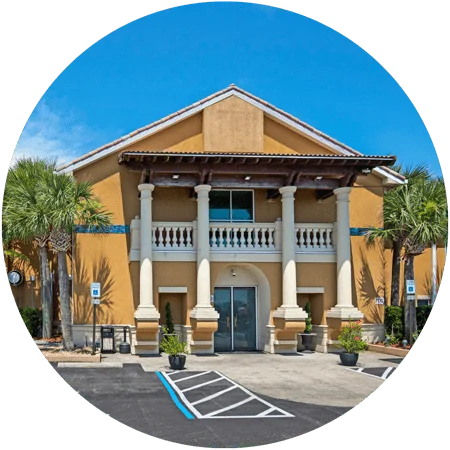
Gulf Breeze Recovery, unlike other treatment centers in Florida, is a non 12 step holistic drug and alcohol rehab that is changing the future of addiction treatment with their THRIVE® (Total Health Recovery) program focused on overcoming chronic relapse.
Gulf Breeze Recovery’s THRIVE® program is a non 12-step approach designed for those who are looking for a drug and alcohol treatment program to produce a different and positive result.
This non-12 step program allows you to drive beyond your addictions and promotes a new outlook on life.
We are licensed by the Florida Department of Children and Families, and our last audit scored 99.7! Also, we are gold certified by the Joint Commission.
Want to read more about Gulf Breeze Recovery’s non 12 step, holistic drug and alcohol rehab? Check out some of our latest posts:
January 29, 2021
January 29, 2021
January 27, 2021
January 20, 2021

At Gulf Breeze Recovery we don’t want you to have just a great recovery, we want you to have a great life!

At Gulf Breeze Recovery, we offer a unique holistic approach to addiction treatment that addresses not only the physical but also the emotional and spiritual aspects of recovery. Our serene and supportive environment provides the ideal setting for healing and growth. With individualized treatment plans and a compassionate team of professionals, we strive to meet each client’s specific needs.
By choosing Gulf Breeze Recovery, you are taking a proactive step toward a healthier, more balanced life. Call us today at 833.551.2356 or use our online content form to begin your recovery journey.
Gulf Breeze Recovery
350 Pensacola Beach Road.
Gulf Breeze, Florida 32561
"*" indicates required fields